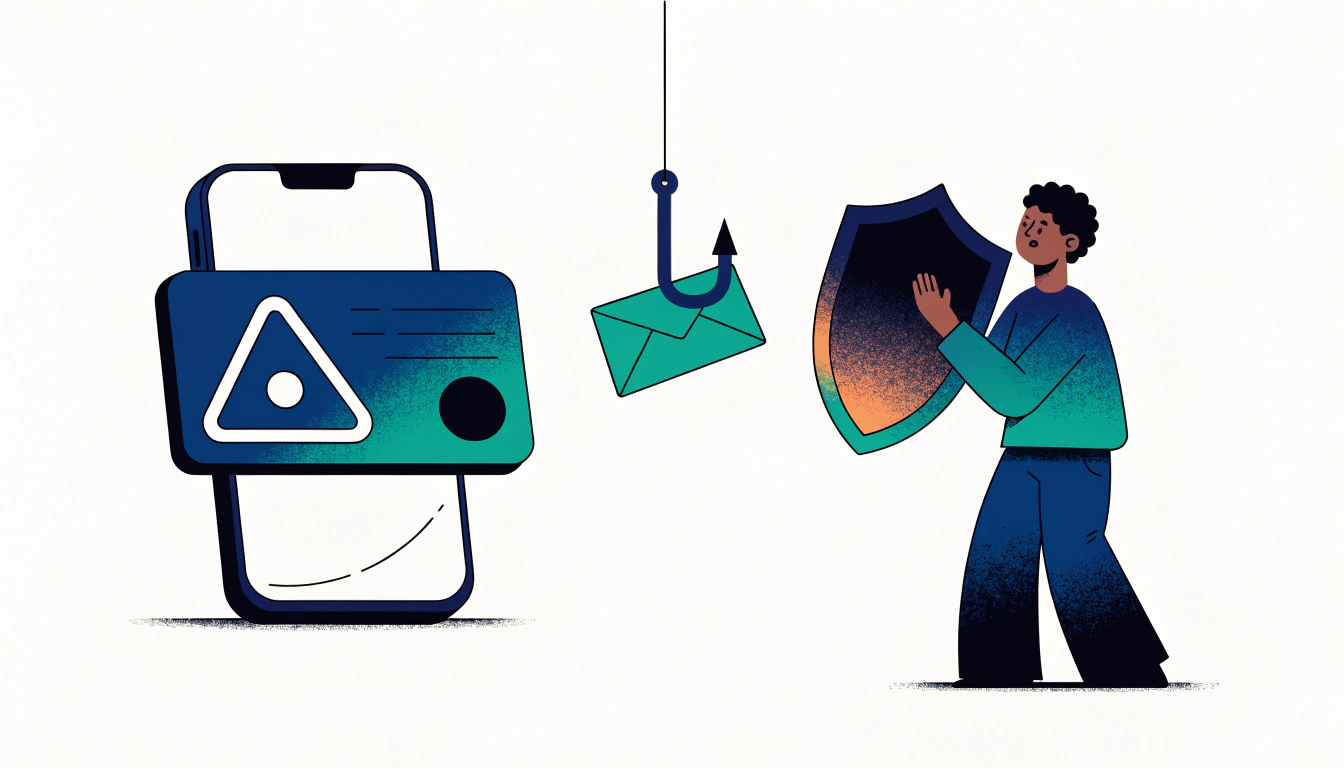
Job scams target people when they are most vulnerable: desperate for work, hopeful and willing to act quickly. They cost victims money they cannot afford to lose and sometimes their personal information as well. The good news is that almost all scams share a few warning signs.
Rule number one: you never pay to get a job
Legitimate employers and recruiters do not charge you to apply, to be interviewed, to be placed or to be appointed. Any request for money — an "application fee", "registration fee", "training fee", "uniform fee", "medical test fee" or payment for a "guaranteed post" — is the clearest sign of a scam. This applies to government posts, learnerships and internships too.
Other warning signs
- An offer without an interview, or an "interview" done entirely over WhatsApp text.
- Pressure to act immediately: "Only three posts left, pay today to secure yours."
- Unprofessional contact details. Government departments use email addresses ending in gov.za. A "Department of Health" recruiter using a free email account is a red flag.
- Salary far above the market for little work or no experience.
- Requests for sensitive information early on, such as banking passwords, PINs or copies of your bank card.
- Vague job descriptions and no verifiable company address or website.
- Posts that only appear on social media and cannot be found on the employer's official website or in an official vacancy circular.
- Jobs that involve receiving money into your account and passing it on. This is often money laundering, and you could be held responsible.
How to check a job is real
- Look for the post on the employer's official website or, for government posts, in the official vacancy circular.
- Phone the organisation using a number from its official website — not the number in the message you received.
- Search for the company name together with words such as "scam" or "fraud".
- Ask someone you trust to look at the offer with you before you act.
Protect your personal information
Share your ID number and copies of documents only through official application channels, and only when the advert asks for them. Leave your ID number off your CV — see our CV guide — and never share passwords or one-time PINs with anyone.
If you have been targeted
- Stop all contact and do not send any more money.
- If you have paid or shared banking details, contact your bank immediately.
- Report the scam to the South African Police Service, and report the profile or post on the platform where you saw it.
- If the scam uses the name of a real employer or department, let that organisation know.
- Warn friends and family — scams spread through the same groups real opportunities do.
If you see a suspicious listing on this site, please report it to us and we will review it.